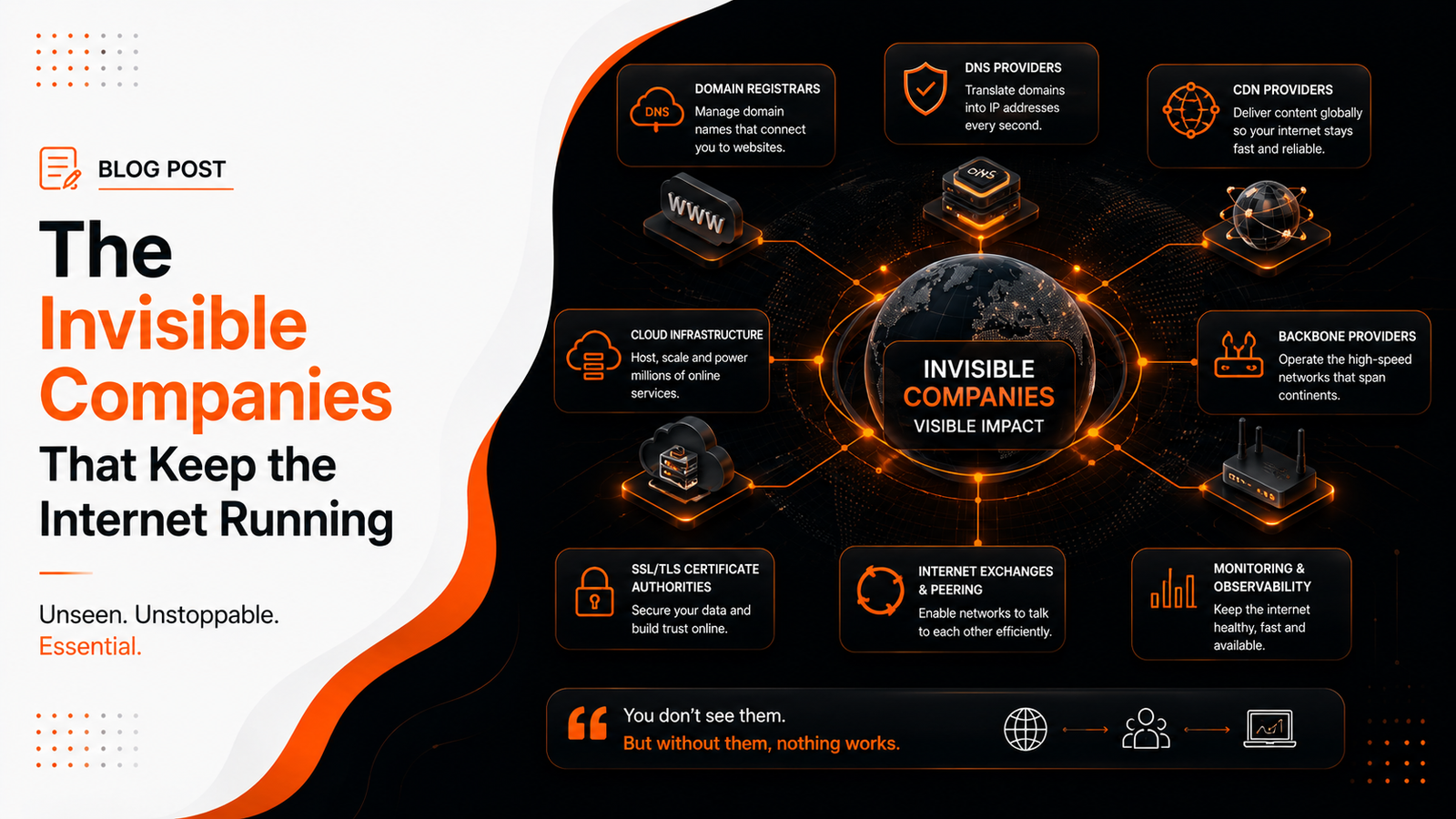
The Internet Nobody Sees
When we think about the Internet, we usually imagine websites, mobile applications, cloud storage, social media platforms, online banking, streaming services, and search engines. Every day, billions of people interact with these services without questioning how they actually work behind the scenes.
Typing www.google.com into a browser feels almost effortless. Within milliseconds, the website loads, videos begin streaming, emails are delivered, and online transactions are completed. This experience creates the illusion that the Internet is a single, seamless system.
In reality, the Internet is one of the most sophisticated engineering achievements ever created. It is not owned by a single company, controlled by one government, or operated from one central location. Instead, it is a globally distributed ecosystem made up of thousands of independent organizations working together through shared standards and protocols.
While companies like Google, Microsoft, Amazon, Meta, and Netflix provide the services we use daily, they rely on an invisible foundation maintained by organizations that most users have never heard of. These include Internet Exchange Points (IXPs), Tier-1 backbone providers, submarine cable operators, Certificate Authorities (CAs), DNS operators, cloud infrastructure providers, Regional Internet Registries (RIRs), and hyperscale data centers.
These organizations rarely receive public attention because their success lies in remaining invisible. When everything functions correctly, users never think about DNS resolution, BGP routing, certificate validation, or global fiber networks. Yet a failure within any of these hidden systems can affect millions—or even billions—of users within minutes.
This article explores the hidden architecture of the Internet, the organizations responsible for maintaining it, and why understanding this ecosystem is becoming increasingly important for cybersecurity professionals, OSINT analysts, network engineers, and digital investigators.
Modern cybersecurity is no longer limited to protecting websites and applications. The true resilience of the Internet depends on invisible infrastructure that silently operates behind every online service. Understanding this hidden layer allows security professionals to investigate attacks more effectively, design stronger defenses, and appreciate how global digital communication actually functions.
The Internet Is Not What Most People Think
Ask someone what the Internet is, and the answer is usually simple:
"Google, YouTube, Facebook, WhatsApp, Instagram, Netflix..."
These services represent only the visible layer of the Internet. The Internet itself is much larger.
Imagine an iceberg floating in the ocean. Only a small portion of the iceberg is visible above the water. The much larger portion remains hidden beneath the surface.
The websites and applications that billions of people use every day represent only the visible portion. Beneath this layer exists an enormous network of organizations, physical infrastructure, communication protocols, routing systems, and governance bodies that quietly keep the global Internet operational.
Without this hidden infrastructure, even the largest technology companies would become inaccessible.
Visible Internet vs Invisible Internet
Understanding the difference between these two layers is essential.
Visible Internet. This is the layer users interact with directly. Examples include:
- Websites
- Search Engines
- Social Media Platforms
- Online Banking
- Streaming Platforms
- Cloud Applications
- E-commerce Websites
- Mobile Applications
This layer delivers the digital experience but does not operate independently.
Invisible Internet. The hidden layer contains the infrastructure responsible for making communication possible. It includes:
- Internet Service Providers (ISPs)
- Internet Exchange Points (IXPs)
- Tier-1 Backbone Networks
- Domain Name System (DNS)
- Root DNS Servers
- Certificate Authorities (CAs)
- Regional Internet Registries (RIRs)
- Autonomous Systems (AS)
- Global Routing Infrastructure
- Data Centers
- Cloud Backbone Networks
- Submarine Fiber Optic Cables
- Time Synchronization Infrastructure
- Global Internet Governance Organizations
Most Internet users never directly interact with these systems, yet every online request depends on them.
Who Really Owns the Internet?
One of the most common misconceptions is that the Internet is owned by a single organization.
"Some believe Google owns it. Others think governments control it. Neither assumption is correct. The Internet has no single owner."
Instead, it is a decentralized network built through cooperation among thousands of organizations. These include:
- Governments
- Internet Service Providers
- Cloud Providers
- Domain Registries
- Internet Exchange Operators
- Certificate Authorities
- Backbone Network Providers
- Universities
- Standards Organizations
- Research Institutions
- Technology Companies
- Each organization manages only a small part of the overall ecosystem.
- The Internet works because these independent entities follow common protocols such as TCP/IP, DNS, and BGP, allowing their networks to communicate reliably with one another.
- This decentralized design is one of the greatest strengths of the Internet. Even if one network experiences a failure, many other networks continue operating, making the Internet remarkably resilient.
Why This Matters for Cybersecurity
Cybersecurity professionals often focus on applications, operating systems, malware, ransomware, or vulnerabilities. However, many investigations eventually lead beyond the application layer.
Consider the following questions:
- Who owns the IP address hosting a malicious server?
- Which Autonomous System is advertising that network?
- Which Certificate Authority issued the website's TLS certificate?
- Which CDN is protecting the infrastructure?
- Which Internet Exchange Point carries the traffic?
- Which cloud provider hosts the service?
Answering these questions requires an understanding of the Internet's hidden infrastructure. For professionals working in OSINT, Threat Intelligence, Incident Response, Digital Forensics, or Network Security, this knowledge is invaluable.
On 4 October 2021, millions of users suddenly lost access to Facebook, Instagram, and WhatsApp for several hours. Many people assumed that the applications themselves had failed. However, the root cause involved changes to the company's network infrastructure, making its services unreachable from the rest of the Internet.
This incident demonstrated an important lesson: users interact with applications, but applications depend on infrastructure. When hidden infrastructure becomes unavailable, even the world's largest online services can disappear almost instantly.
One of the biggest challenges in cybersecurity education is that students spend significant time learning about vulnerabilities, malware, and exploitation while relatively little attention is given to the infrastructure that supports the Internet itself. Understanding DNS, routing, Internet exchanges, autonomous systems, certificate authorities, and global connectivity provides a broader perspective on how attacks propagate, how services remain available, and why infrastructure security is fundamental to digital resilience.
Key Takeaways: The Internet Nobody Sees
- The Internet is a decentralized global network rather than a system owned by one organization.
- Websites and applications represent only the visible layer of a much larger infrastructure.
- DNS, IXPs, Tier-1 networks, cloud providers, submarine cables, and Certificate Authorities silently enable global communication.
- Cybersecurity professionals benefit greatly from understanding how Internet infrastructure operates beyond the application layer.
- Infrastructure failures can affect millions of users even when applications themselves remain functional.
Internet Governance: Who Actually Keeps the Internet Running?
In the previous chapter, we explored an important idea: the Internet is far more than websites, mobile applications, and cloud platforms. Beneath the services we use every day exists a sophisticated ecosystem of organizations that coordinate, secure, and maintain global connectivity.
But this raises an important question: if no one owns the Internet, who keeps it running?
The answer is surprisingly simple — and incredibly fascinating. The Internet functions because thousands of independent organizations voluntarily cooperate using common technical standards. Each organization manages a specific responsibility, such as allocating IP addresses, coordinating domain names, routing traffic, exchanging data between networks, or maintaining the infrastructure that carries global communications.
This decentralized design has allowed the Internet to grow from a small research network into a global system connecting billions of users, millions of organizations, and countless digital services.
Understanding these organizations is essential for cybersecurity professionals because every website, every email, every cloud service, and every online transaction depends on this hidden operational ecosystem.
When analysts investigate malicious infrastructure, they rarely stop at the application layer. They identify the Autonomous System (AS), hosting provider, IP allocation, Certificate Authority, DNS provider, and routing path. Understanding Internet governance transforms cybersecurity from simply defending systems into understanding how global digital infrastructure operates.
What Is Internet Governance?
The phrase "Internet Governance" often creates confusion. Many people assume it refers to governments controlling the Internet. In reality, Internet governance is the coordination of the technical rules, standards, and unique identifiers that allow independent networks to communicate reliably across the world.
Rather than controlling content, governance organizations focus on ensuring that:
- Domain names remain globally unique.
- IP addresses are never duplicated.
- Routing information remains consistent.
- Technical standards are followed.
- Critical Internet resources are coordinated.
Without this coordination, two organizations could accidentally use the same IP address range or register the same domain name, causing widespread communication failures.
ICANN — The Coordinator of the Global Naming System
Every website on the Internet begins with a domain name. Whether you visit google.com, foxfoster.com, openai.com, or microsoft.com, someone must ensure that every domain name is globally unique.
This responsibility belongs to ICANN (Internet Corporation for Assigned Names and Numbers). Established in 1998, ICANN is a non-profit organization responsible for coordinating the Internet's unique identifiers. Its mission is not to own the Internet or host websites. Instead, ICANN ensures that the global naming system remains stable, interoperable, and conflict-free.
Without ICANN, two different organizations could potentially register the same domain name, making reliable communication impossible.
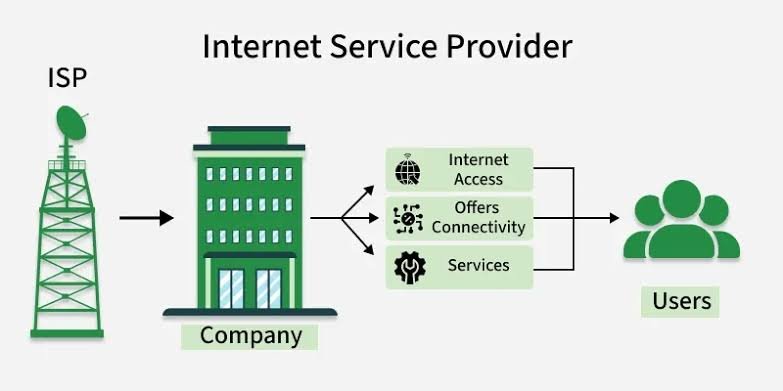
Figure 1. ICANN coordinates the globally unique naming system that every website depends on.
What Does ICANN Actually Do? ICANN performs several critical responsibilities, including:
- Coordinating the global Domain Name System (DNS).
- Managing Top-Level Domains (TLDs) such as .com, .org, .net, and country-code domains.
- Accrediting domain registrars that sell domain names to customers.
- Overseeing policies that maintain the stability of the naming system.
- Coordinating the Internet community through a multi-stakeholder governance model.
Importantly, ICANN does not:
- Host websites.
- Provide Internet access.
- Create web content.
- Control what people publish online.
Its role is coordination — not ownership.
How a Domain Name Is Registered. When an organization purchases a domain, several entities work together behind the scenes. The process typically follows this sequence:
User → Domain Registrar → Registry Operator → ICANN Coordination → DNS Publication → Website Becomes Reachable
IANA — The Internet's Numbering Authority
While ICANN coordinates names, another organization quietly manages the numerical resources that keep the Internet functioning. This organization is IANA (Internet Assigned Numbers Authority).
If ICANN ensures that domain names remain unique, IANA ensures that critical Internet identifiers remain globally consistent. Among its key responsibilities are:
- Allocating large IP address blocks to Regional Internet Registries (RIRs).
- Managing Autonomous System Number (ASN) allocations.
- Maintaining the DNS Root Zone.
- Coordinating protocol parameters used by Internet standards.
Think of IANA as the organization responsible for ensuring that the Internet's "master list" of identifiers never conflicts. Without this coordination, routers would struggle to determine where traffic should be delivered, and the global Internet would quickly become unreliable.
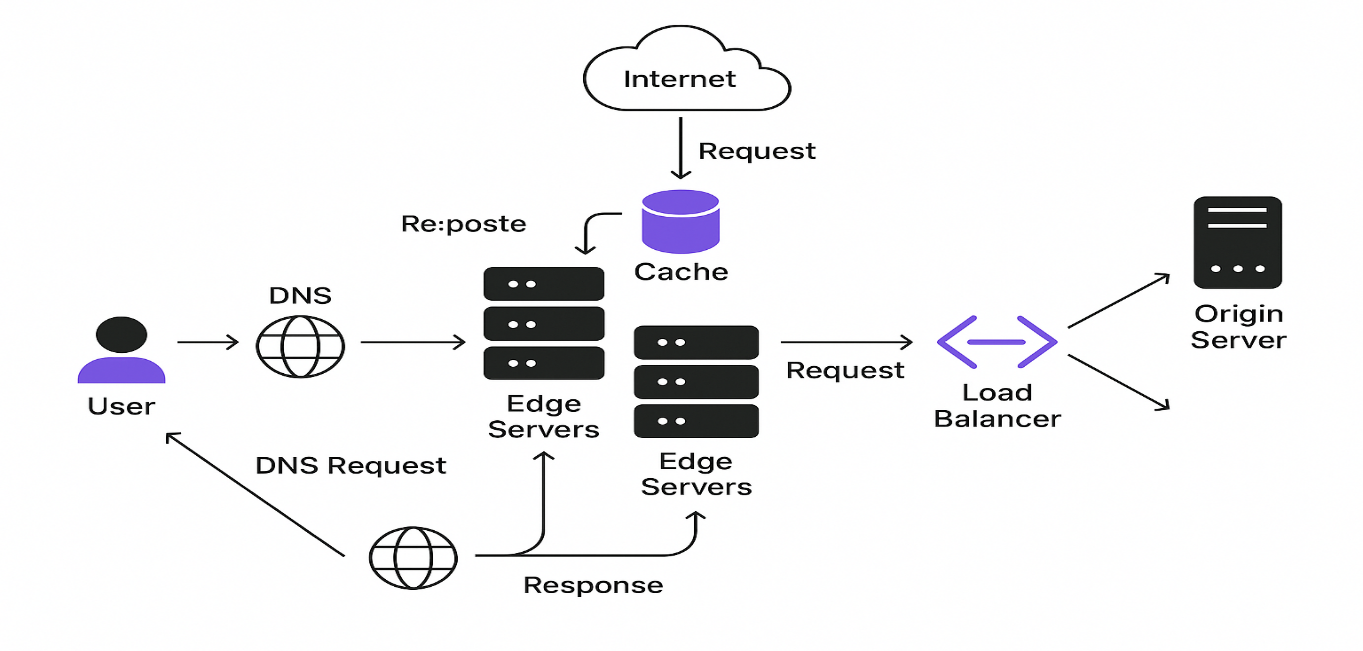
Figure 2. IANA allocates IP address blocks, ASNs, and the DNS root zone.
Every packet sent across the Internet depends on globally unique identifiers. Although users never interact directly with IANA, its coordination ensures that routers, networks, and service providers around the world can exchange traffic without address conflicts or routing ambiguity.
Why Cybersecurity Professionals Should Understand ICANN & IANA
From a security perspective, these organizations provide valuable context during investigations. Knowing who allocated an IP address, which registry manages a network, or how a domain is coordinated can help analysts understand infrastructure ownership, identify malicious hosting, support threat intelligence, and perform ethical OSINT investigations.
Many security incidents begin with a suspicious domain or IP address — but understanding who manages those identifiers often reveals a much larger picture.
Imagine two unrelated companies accidentally receiving the same public IP address range. Routers across the Internet would have no reliable way to determine where traffic should be delivered. Some users might reach one company, while others reach the second. This simple example illustrates why organizations such as IANA and the Regional Internet Registries are fundamental to global Internet stability. Their work is rarely visible, but every online service depends on it.
Key Takeaways: Internet Governance
- The Internet has no single owner; it relies on coordinated governance.
- ICANN ensures that domain names remain globally unique.
- IANA manages critical Internet identifiers such as IP address allocations, Autonomous System Numbers, and the DNS Root Zone.
- Reliable Internet communication depends on these organizations maintaining global consistency.
- Cybersecurity professionals benefit from understanding how identifiers are coordinated, especially during infrastructure investigations.
Regional Internet Registries (RIRs): Who Owns an IP Address?
Every device connected to the Internet requires a unique identity. Whether you are opening a website, joining a video conference, sending an email, or accessing cloud services, your device communicates using an IP (Internet Protocol) address.
A common misconception is that Internet Service Providers (ISPs) simply create IP addresses whenever they need them. In reality, the allocation of IP addresses follows a carefully coordinated global hierarchy designed to ensure that every public IP address remains unique.
This coordination is one of the least visible yet most essential components of Internet infrastructure.
Imagine if two countries accidentally assigned the same passport number to different people. Airports, immigration systems, and border control would quickly become chaotic. Public IP addresses work in a similar way. Every address must be globally unique, and Regional Internet Registries make this possible.
What Is a Regional Internet Registry?
A Regional Internet Registry (RIR) is a non-profit organization responsible for managing and distributing Internet number resources within a specific geographic region.
Instead of assigning IP addresses directly to every organization in the world, IANA delegates large address blocks to Regional Internet Registries. Each registry then distributes these addresses to:
- Internet Service Providers
- Cloud providers
- Government organizations
- Universities
- Enterprises
- Data centers
- Hosting companies
This decentralized model ensures efficient management while maintaining global consistency.
The Five Regional Internet Registries
Today, the Internet is divided into five major administrative regions. Although each registry serves a different geographical region, they cooperate closely to ensure that Internet resources remain globally unique.
| Registry | Region |
|---|---|
| ARIN | United States, Canada, parts of the Caribbean |
| RIPE NCC | Europe, Middle East, Central Asia |
| APNIC | Asia-Pacific Region |
| AFRINIC | African Continent |
| LACNIC | Latin America and the Caribbean |
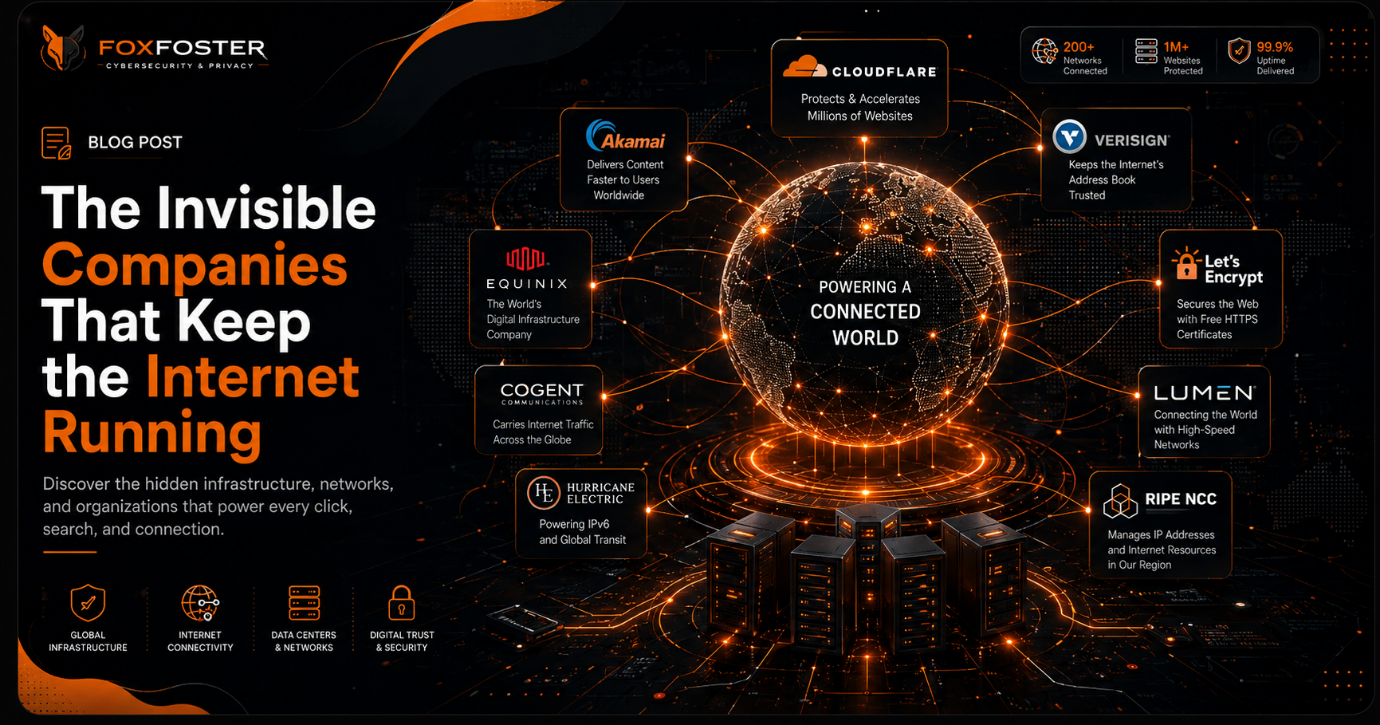
Figure 3. IANA delegates address blocks to five Regional Internet Registries, which distribute them regionally.
Why Is This System Necessary?
Imagine a world where every ISP could create its own public IP addresses. Very quickly, different organizations would begin using identical address ranges. Routers would be unable to determine the correct destination for traffic. Websites could become unreachable. Cloud services would fail. Email delivery would become unreliable. The Internet would lose one of its most important properties: global uniqueness.
Regional Internet Registries prevent this problem by ensuring that every public IP address is allocated only once.
Public IP vs Private IP
Many people confuse public IP addresses with private IP addresses. The difference is important.
Public IP Addresses are globally unique and can be reached from anywhere on the Internet. Examples include web servers, cloud infrastructure, email servers, and public DNS servers. These addresses are allocated through the hierarchy beginning with IANA and Regional Internet Registries.
Private IP Addresses exist only within local networks. Common ranges include 10.0.0.0/8, 172.16.0.0/12, and 192.168.0.0/16. Millions of organizations can safely reuse these ranges because they are not directly routable on the public Internet.
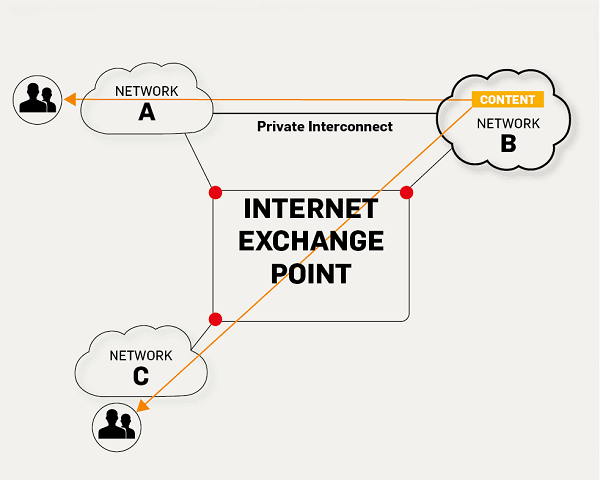
Figure 4. Public IPs are globally routable, while private IPs stay inside local networks behind routers.
Autonomous System Numbers (ASNs)
While IP addresses identify individual devices or networks, the Internet also needs a way to identify entire networks. This is where Autonomous System Numbers (ASNs) become important.
An Autonomous System is a collection of IP networks operated by a single organization under a common routing policy. Examples include Google, Cloudflare, Microsoft, Amazon, universities, and national ISPs. Each Autonomous System receives a unique ASN, allowing routers across the Internet to exchange routing information accurately.
Without ASNs, the Border Gateway Protocol (BGP) would not know which network is responsible for a particular route.
Imagine a cybersecurity analyst investigating suspicious activity originating from an unfamiliar IP address. The IP address alone provides limited information. However, by identifying the Autonomous System associated with that address, the analyst can determine: which organization operates the network, which Regional Internet Registry allocated the address space, which country or region the organization primarily serves, and whether the infrastructure belongs to a cloud provider, hosting company, ISP, or enterprise.
This additional context is valuable for asset attribution, threat intelligence, and infrastructure analysis. Importantly, this process focuses on understanding network ownership and routing relationships rather than identifying individuals.
Modern threat intelligence often begins with infrastructure rather than malware. Understanding who operates a network, which ASN advertises it, and which Regional Internet Registry allocated the address space provides valuable context for defenders investigating suspicious activity.
Key Takeaways: Regional Internet Registries
- Every public IP address is globally unique because of a coordinated allocation process.
- IANA distributes large address blocks to five Regional Internet Registries.
- RIRs allocate resources to ISPs, cloud providers, enterprises, and other organizations.
- Public IP addresses are globally routable, whereas private IP addresses are limited to local networks.
- Autonomous System Numbers identify entire networks and play a central role in Internet routing.
- Infrastructure awareness improves cybersecurity investigations and network analysis.
How Internet Traffic Travels: ISPs, Tier-1 Networks, IXPs, and CDNs
Every time you open a website, stream a movie, send an email, or make an online payment, your data begins an invisible journey across the Internet.
Most people believe that their request travels directly from their computer to the destination website. In reality, the request passes through multiple independent networks before reaching its destination.
Your Internet Service Provider forwards the request to larger regional networks, which then connect to global backbone providers. These backbone providers exchange traffic through Internet Exchange Points before the request reaches the destination network, cloud platform, or Content Delivery Network.
Although this process typically takes only a few milliseconds, it involves thousands of kilometers of fiber-optic cables, dozens of routers, and multiple organizations working together.
Understanding this journey helps cybersecurity professionals analyse network traffic, investigate infrastructure, and troubleshoot connectivity issues more effectively.
Every packet on the Internet follows a carefully selected route rather than a fixed path. Routers continuously evaluate available routes to deliver traffic efficiently, making global communication both resilient and scalable.
Internet Service Providers (ISPs)
An Internet Service Provider (ISP) is the organization that connects homes, businesses, universities, and government offices to the global Internet. Without an ISP, devices would remain isolated within local networks.
An ISP performs several important functions:
- Provides Internet connectivity.
- Assigns public IP addresses.
- Routes customer traffic.
- Maintains regional fibre infrastructure.
- Connects customers to upstream providers.
- Resolves connectivity issues.
Examples of ISPs include broadband providers, mobile network operators, and fibre Internet companies. When you connect your laptop or smartphone to the Internet, the first organization that receives your traffic is usually your ISP.
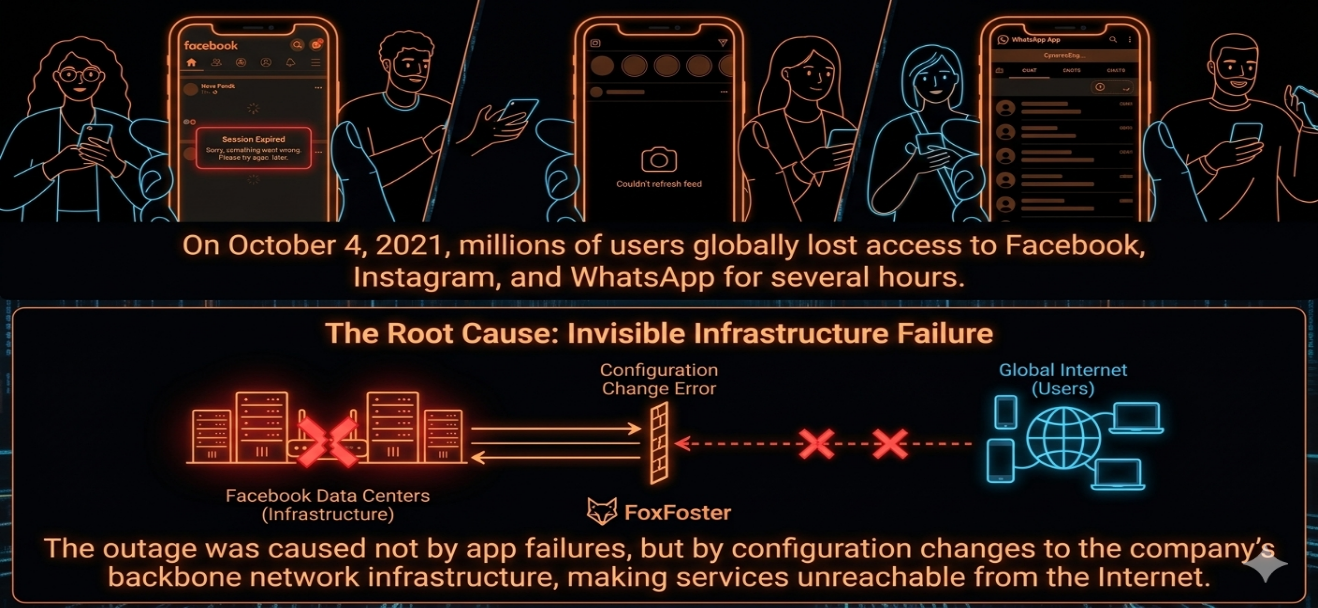
Figure 5. User device → home router → ISP → global Internet.
Tier-1 Backbone Networks
While ISPs connect users to the Internet, they still need a way to communicate with networks across the world. This responsibility belongs to Tier-1 Backbone Providers.
These organizations operate some of the largest fiber-optic infrastructures on Earth. Their networks span countries and continents using terrestrial fiber routes, submarine fiber-optic cables, high-capacity routers, and international peering agreements.
Unlike smaller ISPs, Tier-1 providers exchange traffic with one another without purchasing Internet transit. This arrangement, known as settlement-free peering, allows global Internet traffic to flow efficiently across multiple continents.
Examples of Tier-1 providers include Lumen Technologies, Cogent Communications, NTT Communications, Tata Communications, and Telia Carrier. These companies form the backbone of the modern Internet.
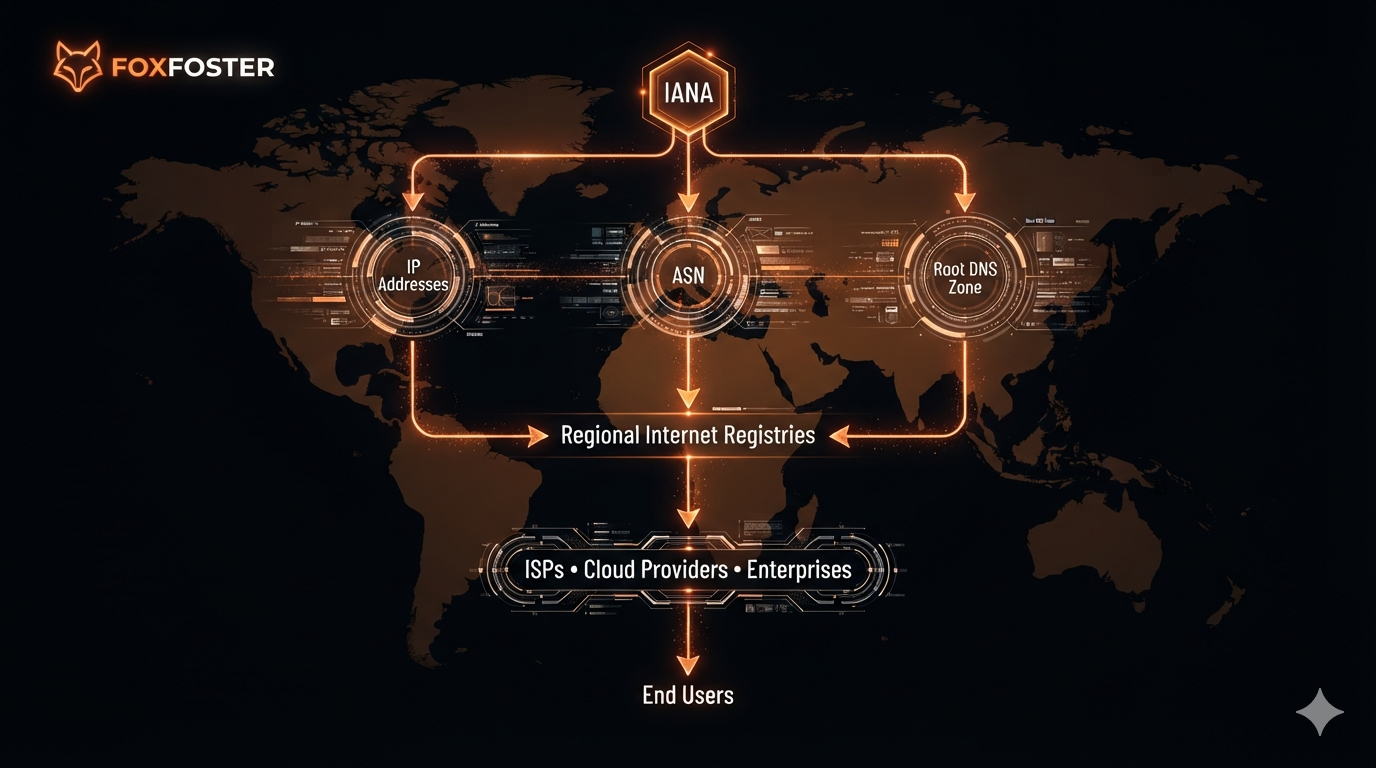
Figure 6. Local ISP → regional network → Tier-1 backbone → destination country → destination ISP.
Internet Exchange Points (IXPs)
If every ISP had to send traffic through expensive third-party providers, Internet performance would suffer significantly. To solve this problem, networks connect at Internet Exchange Points (IXPs).
An Internet Exchange Point is a physical location where multiple network operators exchange Internet traffic directly. Instead of routing traffic through distant networks, participants connect to the same switching infrastructure and exchange data locally.
Benefits include:
- Lower latency
- Reduced operational costs
- Higher redundancy
- Faster regional connectivity
- Improved network resilience
Some of the world's largest IXPs include DE-CIX (Germany), AMS-IX (Netherlands), and LINX (United Kingdom). These facilities exchange several terabits of traffic every second, making them among the busiest Internet locations in the world.
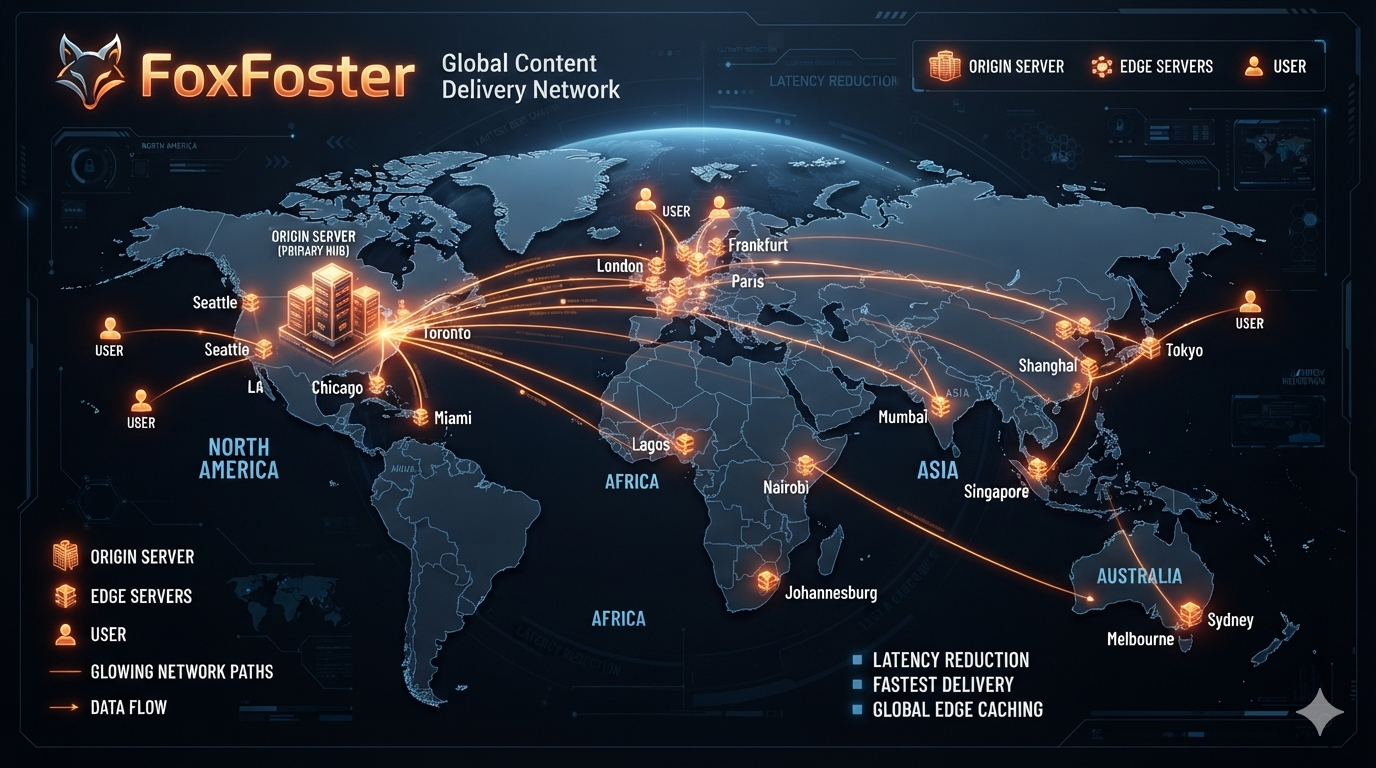
Figure 7. Networks exchange traffic directly at an Internet Exchange Point.
One of the best examples of an Internet Exchange Point is DE-CIX Frankfurt, located in Germany. Thousands of organizations — including cloud providers, telecom companies, streaming platforms, financial institutions, and research organizations — connect to DE-CIX. Instead of routing traffic through multiple countries, these organizations exchange data directly at the exchange. This significantly reduces latency while increasing network resilience.
Today, DE-CIX handles several terabits of Internet traffic every second, making it one of the busiest Internet exchanges in the world. For cybersecurity professionals, IXPs are important because they represent major traffic aggregation points that support global connectivity.
Content Delivery Networks (CDNs)
Imagine a website whose primary server is located in the United States. If users from India, Australia, and Europe all accessed the same server directly, every request would travel thousands of kilometers. This would increase latency and reduce performance.
A Content Delivery Network (CDN) solves this problem by distributing copies of website content across multiple edge servers around the world. Instead of contacting the origin server every time, users are automatically connected to the nearest edge location.
This results in:
- Faster page loading
- Lower latency
- Reduced bandwidth usage
- Improved scalability
- Better protection against Distributed Denial-of-Service (DDoS) attacks
Leading CDN providers include Cloudflare, Akamai, Fastly, and Amazon CloudFront. Modern CDNs are not only performance platforms but also play a significant role in web security.
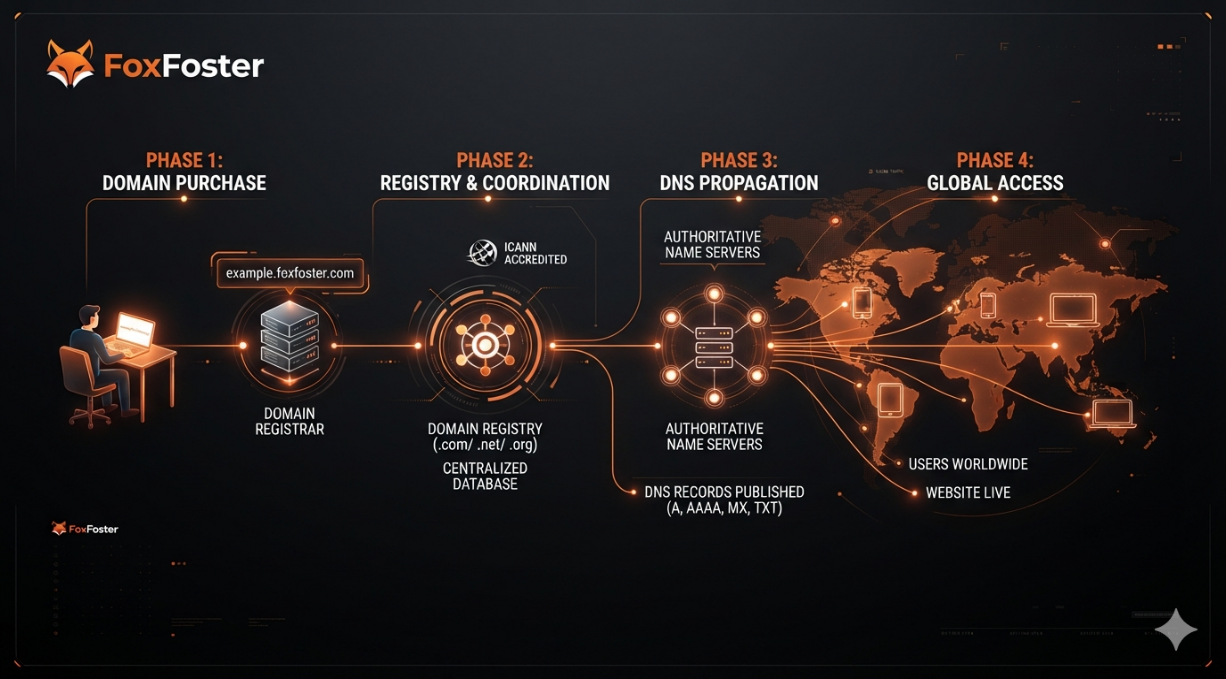
Figure 8. CDNs serve content from edge locations closest to the user.
The speed of the Internet depends not only on bandwidth but also on infrastructure design. ISPs, Tier-1 networks, IXPs, and CDNs work together to minimize latency, optimize routing, and improve resilience, ensuring that digital services remain available even during periods of high demand.
Key Takeaways: How Internet Traffic Travels
- Internet traffic travels through multiple independent organizations before reaching its destination.
- ISPs provide the initial connection between users and the Internet.
- Tier-1 Backbone Providers transport data across countries and continents.
- Internet Exchange Points enable networks to exchange traffic directly, reducing latency and costs.
- Content Delivery Networks improve performance and strengthen resilience by serving content from geographically distributed edge locations.
- Understanding traffic flow enhances cybersecurity investigations, network analysis, and infrastructure awareness.
The Invisible Companies Behind Global Connectivity
When people think about companies that power the Internet, names like Google, Microsoft, Amazon, and Meta usually come to mind. While these organizations provide services used by billions of people, they are only one part of a much larger ecosystem.
Behind every website request, DNS lookup, secure HTTPS connection, cloud application, and streaming session are specialized infrastructure companies that most Internet users have never heard of. These organizations quietly manage routing, content delivery, certificate issuance, global connectivity, and data center infrastructure.
Without them, the modern Internet would become slower, less reliable, and far more vulnerable to outages and cyberattacks.
Cloudflare — Protecting Millions of Websites
Cloudflare operates one of the world's largest Content Delivery Networks (CDNs) and security platforms. It sits between users and websites, filtering malicious traffic before it reaches the origin server. Its services include DDoS mitigation, Web Application Firewall (WAF), DNS resolution, bot protection, and global caching. By serving content from edge servers located worldwide, Cloudflare improves both performance and security.
Today, millions of websites — including businesses, governments, and educational institutions — depend on Cloudflare to remain available during traffic spikes and cyberattacks.
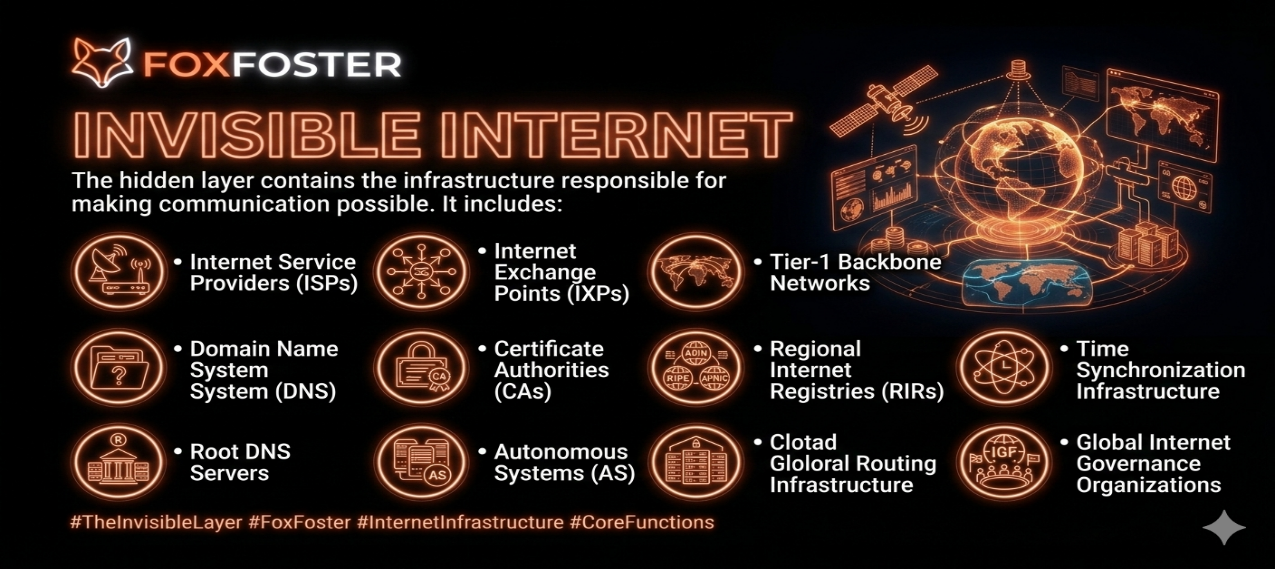
Figure 9. Cloudflare sits between users and origin servers, filtering malicious traffic.
Akamai — Bringing Content Closer to Users
Akamai is one of the pioneers of Content Delivery Networks. Instead of forcing every user to communicate with a distant server, Akamai stores cached content across thousands of edge locations around the world. This significantly reduces latency while improving website performance.
Beyond content delivery, Akamai also provides API protection, bot management, zero-trust access, and cloud security services, making it an important player in modern Internet security.
Equinix — The Home of the Internet
Most people imagine the Internet as something that exists only in software. In reality, it depends on physical buildings filled with servers, networking equipment, and fiber-optic infrastructure.
Equinix operates one of the world's largest networks of interconnected data centers, allowing cloud providers, financial institutions, telecom operators, and enterprises to exchange traffic securely. Many of the companies powering the Internet are physically connected inside Equinix facilities.
How Infrastructure Companies Work Together
User → Cloudflare / Akamai → ISP → Internet Exchange → Equinix Data Center → Origin Server
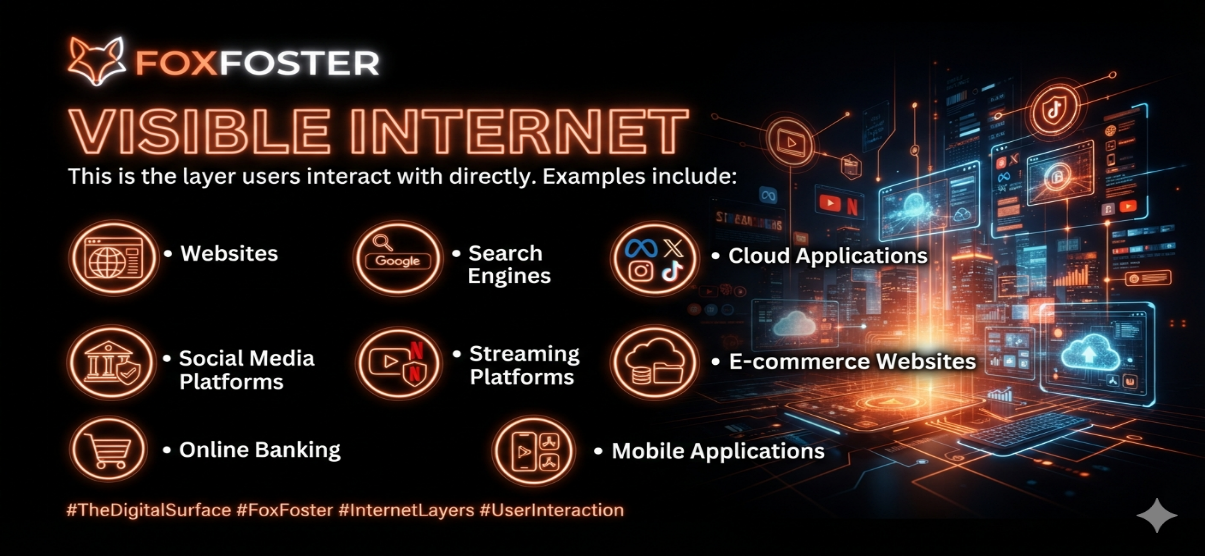
Figure 10. CDNs, ISPs, Internet Exchanges, and data centers cooperate to deliver every online service.
Verisign — Keeping the Internet's Address Book Stable
Every time someone types a domain name such as example.com, a reliable DNS infrastructure is required to locate the correct destination. Verisign plays a critical role in maintaining parts of this infrastructure by operating key DNS services and managing important top-level domains.
Its systems process enormous numbers of DNS queries every day, helping ensure that users can consistently reach websites around the world.
Let's Encrypt — Making HTTPS Available to Everyone
Before HTTPS became common, obtaining a digital certificate was often expensive and complicated. Let's Encrypt transformed this process by providing free, automated TLS certificates, making encrypted communication accessible to everyone.
Today, millions of websites use HTTPS because of Let's Encrypt, improving privacy and protecting users from eavesdropping and data interception.
Cogent & Lumen — Carrying Global Internet Traffic
Cloud services and websites cannot communicate without high-capacity networks connecting cities and continents. Companies such as Cogent Communications and Lumen Technologies operate extensive backbone fiber networks that transport Internet traffic across countries and international borders.
These organizations form part of the Internet's core infrastructure, enabling fast and reliable communication between different networks.
Hurricane Electric & RIPE NCC
Hurricane Electric operates one of the world's largest IPv6 networks while providing global Internet transit services and supporting the growth of next-generation Internet infrastructure.
RIPE NCC, on the other hand, is not a commercial company but a Regional Internet Registry responsible for allocating IP address resources and Autonomous System Numbers across Europe, the Middle East, and parts of Central Asia. Its work ensures that Internet number resources remain unique and well managed.
In June 2022, configuration issues within Cloudflare's network temporarily disrupted access to numerous websites and online services. Although the problem originated from a single infrastructure provider, organizations across multiple countries experienced interruptions.
This incident demonstrated an important lesson: modern Internet services are deeply interconnected, and infrastructure providers have a significant influence on global availability.
The Internet is not powered by a single company. Instead, it depends on a network of specialized organizations, each responsible for a different layer of infrastructure. Some deliver content, others issue certificates, manage IP addresses, operate data centers, or transport traffic across continents. Together, these organizations form the invisible foundation that keeps the global Internet running every second.
The Future of Internet Infrastructure & Cybersecurity
The Internet continues to evolve far beyond traditional websites and cloud services. Emerging technologies such as IPv6 adoption, edge computing, AI-driven networking, satellite Internet, and quantum-safe cryptography are reshaping how global communication is designed and secured. At the same time, attackers are increasingly targeting the infrastructure itself rather than only applications.
For cybersecurity professionals, understanding these trends is becoming just as important as understanding vulnerabilities or malware.
DNS, BGP & Internet Routing
The Domain Name System (DNS) translates human-readable domain names into IP addresses, while the Border Gateway Protocol (BGP) determines how Internet traffic travels between thousands of Autonomous Systems.
Although users rarely notice these technologies, they form the foundation of global Internet communication. Misconfigurations or attacks against DNS and BGP can redirect traffic, interrupt services, or affect millions of users simultaneously. Because of this, modern organizations increasingly deploy technologies such as DNSSEC, RPKI, and route validation to improve trust in Internet routing.
Submarine Fiber Optic Cables
Despite the popularity of satellites, more than 95% of international Internet traffic still travels through submarine fiber-optic cables laid across the ocean floor. These cables connect continents, cloud regions, financial centers, and major Internet exchanges.
Damage caused by natural disasters, accidental cable cuts, or geopolitical conflicts can significantly impact international connectivity. This demonstrates that the Internet ultimately depends on physical infrastructure as much as digital infrastructure.
Data Centers & Cloud Infrastructure
Modern applications no longer run from a single server. Instead, cloud providers operate geographically distributed data centers connected through high-speed backbone networks. This architecture improves scalability, availability, disaster recovery, and resilience against localized failures.
Organizations increasingly rely on multi-region deployments and edge computing to keep services available even during outages.
Emerging Technologies
The future Internet will be shaped by several major technological developments:
- IPv6 will support the growing number of connected devices.
- Edge Computing will reduce latency by processing data closer to users.
- Satellite Internet will extend connectivity to remote regions.
- Artificial Intelligence will assist in traffic optimization, anomaly detection, and automated network management.
- Post-Quantum Cryptography (PQC) is being adopted to protect digital communications against future quantum computing threats.
These technologies represent the next generation of Internet infrastructure.
Why This Matters for Cybersecurity
Modern cyberattacks increasingly target infrastructure rather than individual devices. Threat actors may attempt to:
- Disrupt DNS services
- Abuse routing protocols
- Launch Distributed Denial-of-Service (DDoS) attacks
- Exploit cloud misconfigurations
- Compromise digital certificates
- Target software supply chains
As infrastructure becomes more interconnected, defenders must develop visibility beyond traditional endpoint security. Understanding how Internet infrastructure operates enables analysts to identify root causes more quickly, strengthen resilience, and respond more effectively during incidents.
Several high-profile incidents demonstrate the importance of Internet infrastructure:
• Facebook Outage (2021): Routing configuration changes made Facebook, Instagram, and WhatsApp temporarily unreachable worldwide.
• Dyn DNS Attack (2016): A large-scale DDoS attack disrupted DNS services, affecting access to platforms such as Twitter, Netflix, Reddit, and GitHub.
• Cloudflare Outage (2022): A network configuration issue temporarily affected websites that depended on Cloudflare's infrastructure.
These events highlight how infrastructure failures can have global consequences.
Final Conclusion
Every click, search, email, video stream, and secure transaction depends on an enormous ecosystem of organizations working behind the scenes. Companies such as Cloudflare, Akamai, Equinix, Verisign, Let's Encrypt, backbone providers, Internet Exchange Points, and Regional Internet Registries quietly maintain the infrastructure that keeps the global Internet operational.
For cybersecurity professionals, understanding this hidden ecosystem is more than an academic exercise — it provides the context needed to investigate incidents, analyze malicious infrastructure, perform OSINT, and design resilient systems. As the Internet continues to evolve through AI, cloud computing, satellite connectivity, and post-quantum cryptography, infrastructure awareness will become an essential skill for the next generation of defenders.
ICANN – Internet Governance and Domain Name System · IANA – Internet Number Resources · RIPE NCC – IP Address & ASN Management · Cloudflare Learning Center · Akamai Developer Documentation · Equinix Digital Infrastructure · Let's Encrypt Documentation · Verisign DNS Services · NIST Cybersecurity Framework · CISA – Infrastructure Security Guidance · IETF RFC Series (DNS, BGP, IPv6, DNSSEC, RPKI)