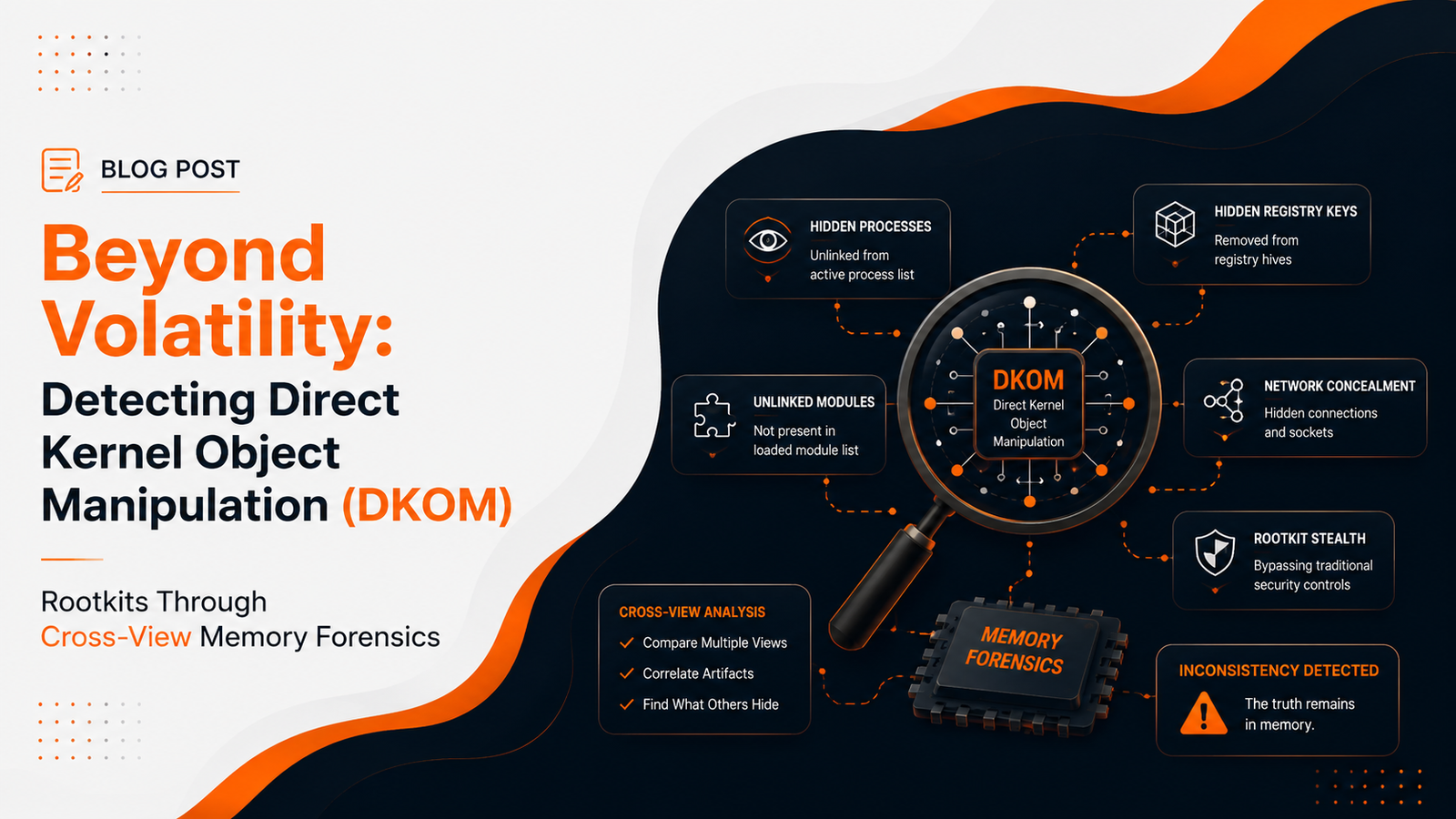
Introduction: when "volatility-style" forensics stops being enough
Memory forensics has traditionally leaned on volatility — snapshots, signatures, and artifact hunting — to understand what a system was doing and what it contained at a given moment. Tools and workflows built around volatility can be effective against many classes of malware, including userland implants and many known kernel threats. But kernel rootkits that manipulate internal operating system structures can be designed specifically to reduce — or even erase — the visible evidence that conventional memory analysis expects.
Direct Kernel Object Manipulation (DKOM) rootkits are a classic example of that hard problem. Instead of loading stealthy modules that can be detected through module lists or hook chains, DKOM rootkits directly edit kernel data structures to hide their presence. The result is an environment where the attacker is not merely "running" — it is redefining what "running" means to the kernel and to the analyst's view of the system.
This blog explores a practical detection philosophy for DKOM rootkits that goes beyond volatility-based thinking: cross-view memory forensics. The core idea is very simple but powerful:
If the kernel objects you examine can be manipulated, then rely less on any single view. Compare multiple, independent representations of the current system's state across time and vantage points in the memory.
Rather than seeking "the one artifact," cross-view forensics looks for inconsistencies: places where internal kernel structures disagree with observable system behavior, or where one view of memory cannot explain another.
Background: what makes DKOM rootkits different
Most analysts learn kernel rootkits through a set of detectable patterns: suspicious drivers, known function pointer hooks, modification of syscall tables, or anomalies in module lists. DKOM rootkits take a different approach. They directly tamper with kernel objects — structures that represent processes, threads, files, network endpoints, and more — so that common kernel enumerations no longer include the malicious entity.
At a high level, DKOM rootkits often target relationships such as:
- Process lists (e.g., kernel-maintained lists used to enumerate processes)
- Thread lists
- Linked-list membership fields and back/forward pointers
- Object directories that affect visibility of certain handles or resources
- Various "ownership" and "membership" relationships that the OS relies on for internal bookkeeping
If a rootkit removes a process from the kernel's active process list, the process can become "invisible" to tools that ask the kernel for process enumeration results. Similarly, if it manipulates membership in other internal lists, it can hide threads or certain artifacts from standard kernel object walks.
The analyst's challenge: Many forensics methodologies depend on reconstructing states by traversing those same data structures. If an attacker edits them, the reconstruction is compromised.
The core threat model: adversarial memory semantics
A useful way to reason about DKOM rootkits is that they create adversarial semantics for your forensic workflow. Instead of viewing memory as a passive source of truth, assume:
- Some kernel data structures may be intentionally rewritten.
- "Enumeration" mechanisms may be biased toward hiding objects.
- Hooks are not the only hiding technique — object integrity can also be undermined.
- You may not be able to trust any single kernel-linked list or pointer chain.
This shifts the goal from "find the malware" to "find contradictions." Cross-view memory forensics provides that contradiction-seeking capability.
Cross-view memory forensics: the methodology
Cross-view memory forensics is a structured approach that uses multiple independent "views" of system state. These views may come from different layers of the stack, different memory interpretations, or different reconstruction paths that do not rely on the same tampered pointers.
Think of each view as a hypothesis about what the system contains. When DKOM has rewritten one view's data structures, other views may still preserve enough information to expose the mismatch.
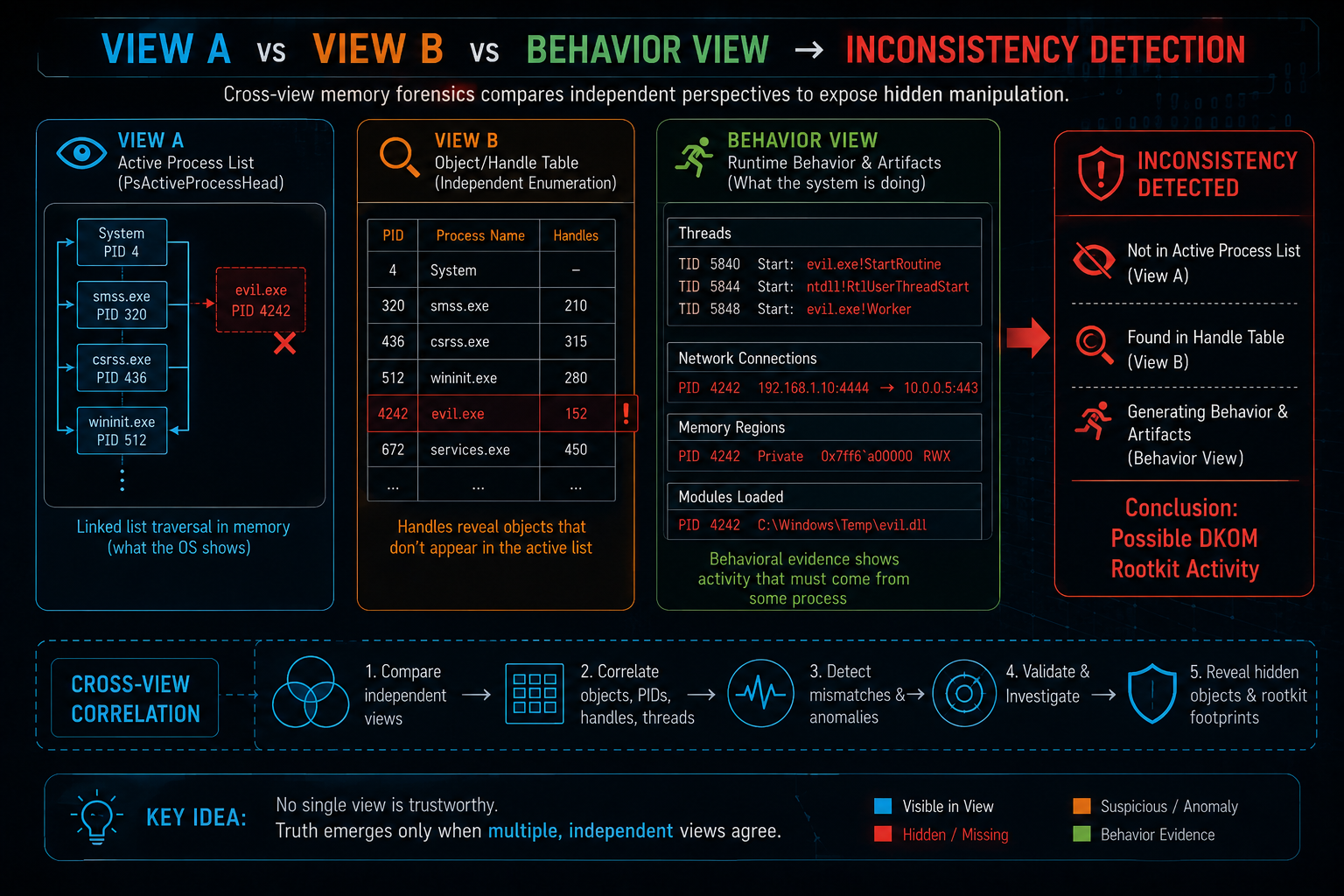
Figure 1. Independent reconstruction paths — the foundation of cross-view memory forensics.
Key principles
- Use independent reconstruction paths — Don't always traverse the "official" kernel list. Reconstruct objects using alternative relationships or derived properties.
- Cross-check the enumeration outputs — Compare what the kernel claims (as reflected by its data structures) with what memory still contains (as reflected by other structures or patterns).
- Validate structural invariants — Kernel objects usually maintain internal invariants: reference counts, alignment, expected pointer ranges, list consistency, and bidirectional link symmetry. DKOM often breaks invariants subtly.
- Correlate with time and behavior — Rootkits may hide their existence in the system, but they often still leave traces: scheduling artifacts, memory allocations (static, dynamic), network buffers, or timer activities. Behavior-oriented memory evidence can survive object hiding.
What "views" should you use?
A cross-view strategy depends on selecting views that are both informative and likely to remain partially trustworthy even when DKOM tampers with a specific structure. Here are common categories of views used in cross-view forensics workflows:
1) Kernel object integrity view
Focus: Verify whether kernel object structures obey expected invariants.
Examples of checks:
- List head/tail symmetry (e.g., if A->next points to B, then B->prev points to A)
- Pointer alignment and canonical address constraints (platform-dependent)
- Consistency between object back-references and forward references
- Plausibility of object ownership fields (e.g., containment that should align with other data)
Why it helps: DKOM frequently edits pointer relationships to remove entries. Small mistakes or incomplete updates can create different types of structural inconsistencies.
2) Alternative enumeration view
Focus: Enumerate processes/threads using a reconstruction path that doesn't rely solely on a single canonical list.
Examples of independent approaches:
- Reconstruct from memory regions that store object instances
- Use multiple object directories that can be enumerated independently
- Employ patterns to locate object signatures and then map them to plausible kernel structures
Why it helps: If the rootkit removed a malicious process from one list, other object relationships might still allow discovery.
3) Behavior and scheduling view
Focus: Determine what the system is doing, not just what it claims to be doing.
Examples:
- Check whether the system shows evidence of execution related to memory regions that belong to hidden objects
- Correlate thread-like scheduling artifacts with memory allocations and object instances
- Identify CPU-bound and timer-triggered behaviors that are not represented in the process enumeration
Why it helps: DKOM can hide processes from enumeration but often struggles to fully suppress all downstream effects of execution.
4) I/O and networking view
Focus: Look for hidden endpoints by analyzing associated buffers and kernel-managed resources.
Examples:
- Network buffers, socket-related structures, or send/receive queues that persist in memory
- File-related cache structures or handles that remain present even if object visibility changes
Why it helps: Hidden objects can still participate in I/O paths; data associated with those paths can remain discoverable.
5) Cross-time view (temporal consistency)
Focus: Compare snapshots from multiple times (or validate using cached state).
Examples:
- Processes that were visible earlier and become invisible later
- Changes in object list topology over time
- Memory allocation patterns indicating object creation/destruction that doesn't align with enumeration events
Why it helps: DKOM may not fully "undo" prior state. Even if it edits pointers, temporal traces may remain.
A detection workflow: from acquisition to contradiction
Below is a practical end-to-end workflow tailored to DKOM detection using cross-view memory forensics. The exact implementation details depend on platform (Windows, Linux variants, hypervisors, etc.), but the logic is portable.
Step 1: Acquire memory with high fidelity
Collect a full memory image. If possible, acquire multiple images at different times. Ensure the acquisition preserves kernel memory regions and metadata required for object reconstruction.
Goal: Reduce the chance that you miss evidence due to incomplete capture.
Step 2: Build your "trusted baseline" using invariants
Identify known-good kernel invariants for the platform. Determine what "well-formed" object structures look like.
Goal: Create checks that can detect pointer tampering even if the rootkit is stealthy.
Step 3: Enumerate processes/threads using at least two independent paths
View A: Enumerate via kernel object lists that rootkits commonly manipulate.
View B: Enumerate via alternative reconstruction methods that do not depend on the same list.
Goal: If DKOM edits list membership, View B may still reveal objects that View A omits.
Step 4: Correlate object candidates across views
For each object candidate (process, thread, or module-like entity): verify whether it appears in both views. If it appears only in View B, evaluate structural invariants around it. Assess whether other evidence (behavior, I/O, scheduling) correlates.
Goal: Detect objects that exist in memory but are missing from enumerations.
Step 5: Look for invariant violations and "list topology impossibilities"
Common DKOM artifacts include dangling pointers or broken link symmetry, objects whose reference relationships don't match expected ownership, and objects that are present but appear "detached" from expected directories.
Goal: Convert stealth into measurable inconsistencies.
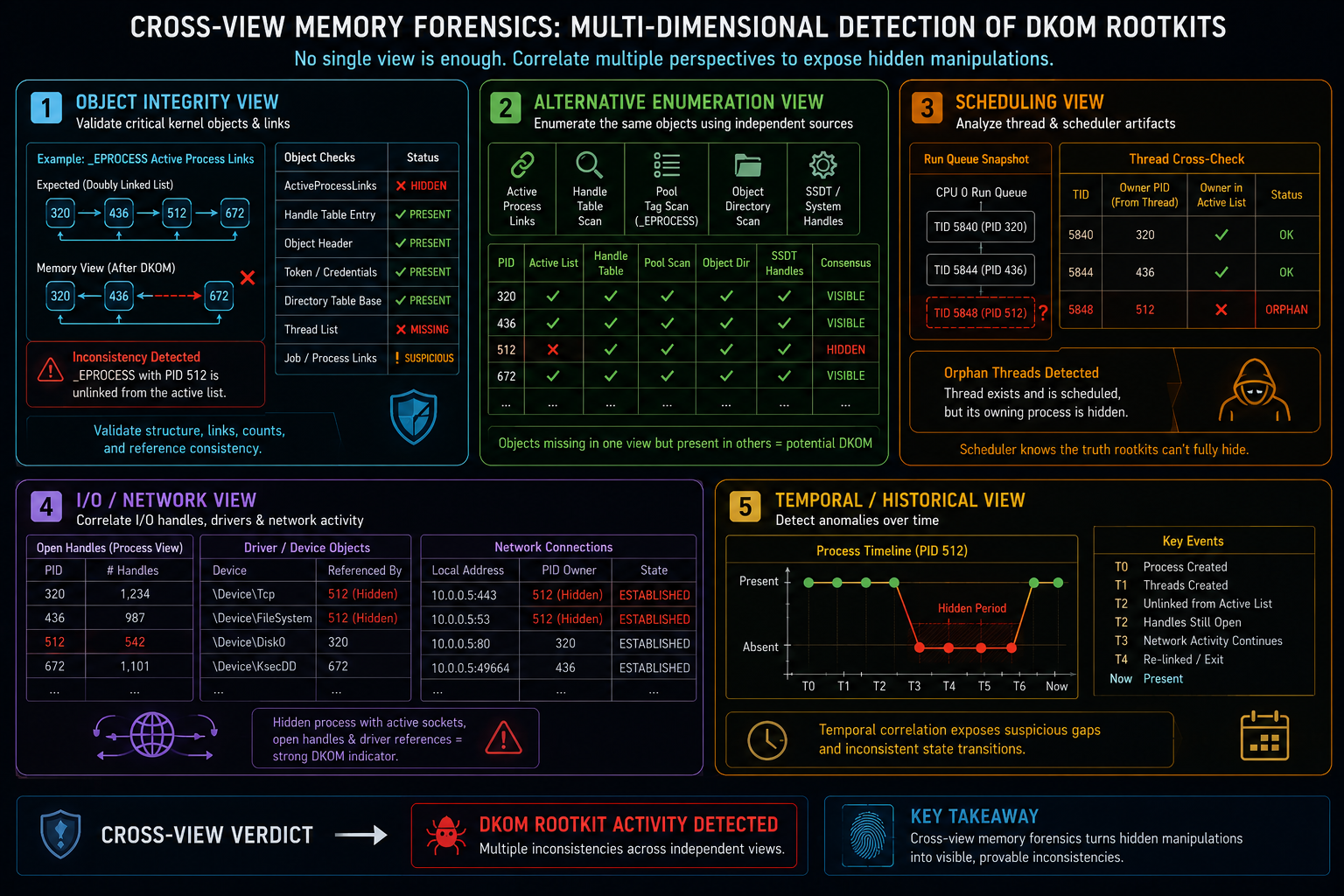
Figure 2. Converting stealth into measurable inconsistencies through invariant checks.
Step 6: Rank suspects with a scoring model
A simple scoring approach might consider: presence in View B only (hidden from canonical lists), invariant violation count near object instance, correlation with behavior evidence (execution indicators), correlation with I/O/network evidence, and temporal anomalies (appeared/disappeared across snapshots).
Goal: Make investigation efficient and reproducible.
Step 7: Validate with targeted reasoning
Rather than jumping immediately to "it's malware," validate whether the candidate object's memory layout is plausible, whether it matches known patterns of legitimate kernel structures, and whether the candidate participates in behavior consistent with execution.
Goal: Reduce false positives.
Why cross-view works against DKOM
DKOM's primary tactic is hiding through object manipulation. That means it attempts to alter the relationships that many forensic techniques use to reconstruct system state. Cross-view memory forensics counters that by:
- Reducing reliance on a single list or pointer chain
- Detecting inconsistencies created by partial or imperfect tampering
- Using independent "proof" (behavior, I/O, or alternative reconstruction) to corroborate object existence
In other words, cross-view makes the rootkit's success condition harder: it must either manipulate all relevant representations of system state or accept that contradictions will remain.
Practical detection signals (conceptual examples)
Here are conceptual examples of signals analysts look for when applying this methodology.
Signal 1: "Ghost processes" (memory-present, enumeration-absent)
A process-like kernel object instance is discoverable via an alternative reconstruction path. It is absent from canonical process enumeration structures. Structural invariants around list membership appear inconsistent.
This pattern is especially indicative of DKOM because it aligns with "remove from list, keep running."
Signal 2: Thread evidence without corresponding process enumeration
Thread-like structures appear in memory, and scheduling indicators point to active execution. However, the owning process is missing from expected process lists.
This indicates either a process hiding technique (DKOM) or a sophisticated mismatch in ownership pointers.
Signal 3: Invariant breakage in linked-list topology
List pointers do not match across bidirectional edges. Or object neighborhood pointers point to regions inconsistent with a coherent list.
Even when the rootkit hides an entry, it often has to edit multiple pointers. Mistakes — or incomplete updates — create detectable anomalies.
Signal 4: Behavioral correlation
Network buffers or I/O queue evidence suggests activity. Enumeration views claim the corresponding entities do not exist.
This mismatch is difficult for attackers to eliminate because hiding execution often conflicts with the kernel's need to store and process I/O state.
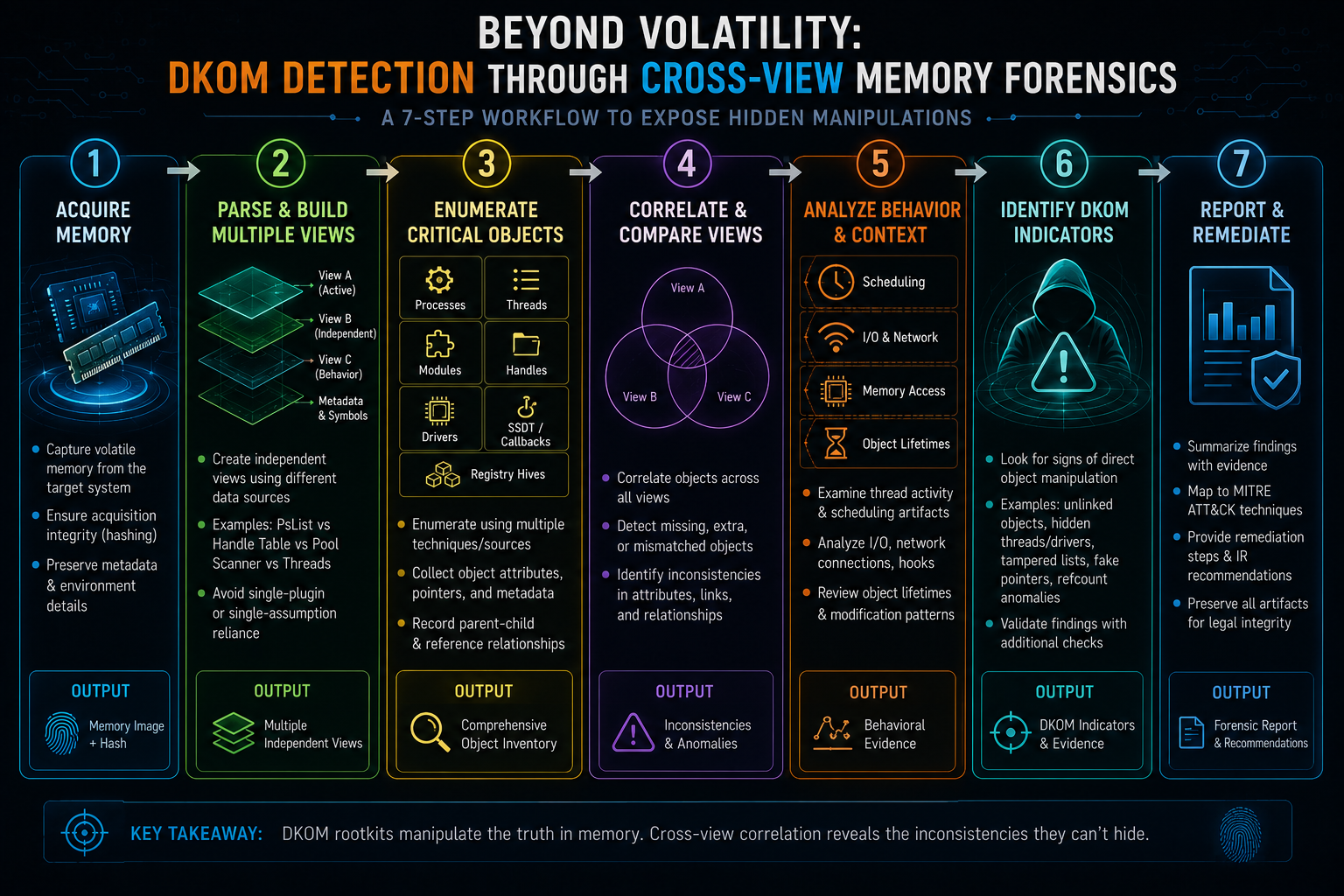
Figure 3. Behavioral and temporal correlation exposes the mismatch between hidden objects and their observable effects.
Challenges and limitations (and how to mitigate them)
Cross-view forensics is powerful, but it isn't magic. Key challenges include:
| Challenge | Mitigation |
|---|---|
| Noise from memory fragmentation and incomplete symbol knowledge | Use robust invariants and multiple independent signals. |
| Legitimate kernel structures that deviate across versions | Tailor invariant checks to the exact OS build and configuration. |
| Performance and complexity | Prioritize candidates using scoring and targeted checks instead of exhaustive enumeration. |
| Rootkits that attempt to manipulate multiple views | Expand the number of views and focus on deep invariants and behavior correlation that is harder to fully suppress. |
Building a DKOM detection capability: what "good" looks like
A mature cross-view DKOM detection approach should be:
- Repeatable: same logic yields similar candidate sets across images.
- Explainable: each alert includes the specific inconsistencies and evidence relationships.
- Modular: view collectors and validators are separable (object integrity view, behavior view, I/O view, etc.).
- Version-aware: invariants and object layouts are adapted per OS build.
- Evidence-driven: alerts point to the memory regions, candidate structures, and contradictions.
Conclusion: beyond volatility means beyond single truth
Volatility-based forensics is a valuable foundation, but DKOM rootkits are designed to exploit a forensic assumption: that a single kernel view represents reality. By manipulating kernel object relationships, DKOM creates a world where enumeration is not trustworthy in isolation.
Cross-view memory forensics flips the perspective: instead of treating the kernel's current linked structures as the source of truth, it treats them as one potentially compromised view. By comparing independent representations — kernel object integrity, alternative enumeration, behavior and I/O evidence, and temporal consistency — analysts can surface contradictions that stealth attempts to conceal.
In the battle between hiding and detection, DKOM's greatest weakness is that it must maintain internal consistency across many parts of the system while simultaneously rewriting what the analyst looks at. Cross-view forensics weaponizes that tension.